Recall Alert
There are recalls of ibuprofen and eye drops. Learn more >>
There are recalls of ibuprofen and eye drops. Learn more >>

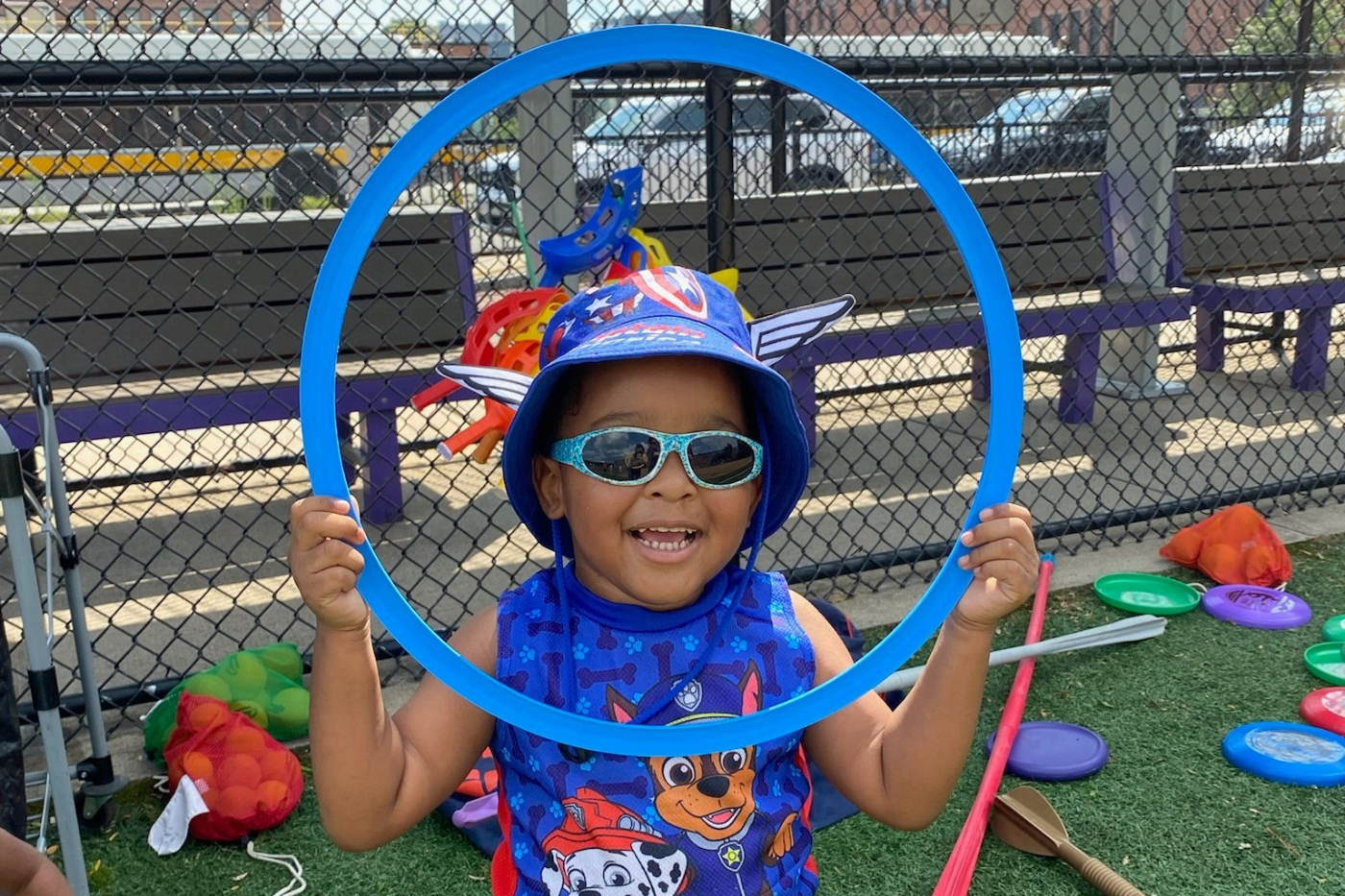
For over a decade, Boston Children’s Hospital has worked to address disproportionately high rates of childhood obesity in low-income Boston neighborhoods through its Healthy in the City program.
Healthy in the City is a community-based program that uses a case management model and family-based approach to healthy weight promotion. The program is implemented at 10 community health centers throughout the city and serves 1,000 children annually — 98 percent of whom identify as Black, Latino, or Asian. Program participants are either overweight or obese or at risk for obesity.
A case manager at each health center site provides families with resources and support to achieve their health goals and maintain a healthy weight. Case managers can offer nutrition counseling and education, cooking classes, and physical activity opportunities. “Cooking classes and grocery store gift cards give families the opportunity to try nutritional foods that they may not have chosen or had access to,” says a case manager from one of the health center sites.
In more recent years, the program has expanded its focus to also address food insecurity among families, many of whom live in neighborhoods that lack access to fresh food. Case managers coordinate food access initiatives at the health centers, including mobile produce markets, food distribution efforts, and community gardening programs. They also connect families to food pantries, hunger hotlines, federal nutrition programs, and opportunities to purchase fresh produce. Health education is offered to help families with how to use food pantry items to make healthy meals or how to shop for groceries on a budget.
Each year more than two-thirds of participants in Healthy in the City are shown to reduce their Body Mass Index (BMI), a key indicator of program effectiveness. They also report healthier lifestyle changes — increased consumption of fruits and vegetables, decreased consumption of sugar-sweetened beverages, and greater time spent exercising.
| Health center | Neighborhood |
|---|---|
| Boston Children's at Martha Eliot | Jamaica Plain |
| Boston Community Pediatrics | South End |
| Bowdoin Street Health Center | Dorchester |
| Brookside Community Health Center | Jamaica Plain |
| Charles River Community Health | Brighton |
| The Dimock Center | Roxbury |
| NeighborHealth | East Boston |
| Mattapan Community Health Center | Mattapan |
| Southern Jamaica Plain Health Center | Jamaica Plain |
| Upham’s Community Care | Dorchester |